Road to DMSC
ActivEngage Is Laser Focused on Generating Sales Not Just Leads
Ted Rubin explains why ActivEngage keeps trained people in chat and text, and how LeadBoost and Flip2txt turn clicks and calls into live conversations.
- Released
- April 22, 2025
- Length
- 39 min
- Guest
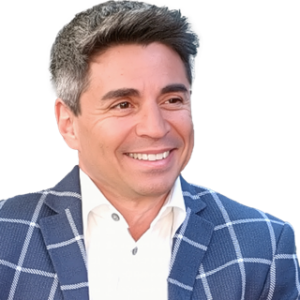 Ted Rubin
- In collaboration with
 ActivEngage
In short
Dealers ask for more leads, but Ted Rubin, CEO of ActivEngage, argues the goal is selling cars. He explains why online shoppers mostly want to know how they'll be treated, why ActivEngage keeps trained people in the conversation instead of AI, and how its tools turn website clicks and busy phone lines into live conversations that reach the CRM.
- Ted says shoppers who start a chat rarely need details already on the website. They want to know how the store will treat them.
- ActivEngage labeled live-agent replies as AI in a test. Ted says customers reacted badly when they believed AI was trying to be empathetic.
- Brian says "get e-price" and "confirm availability" forms break trust when the car is already listed. A live conversation behind the button works better.
- Ted says about 35% of callers choose Flip2txt when offered a live text conversation, and not only when the phone lines are busy.
- If you change texting platforms, keep the number customers have saved. Brian's texts to his Honda dealer's old number went unanswered.
Chapters
- 0:00Why dealers ask for leads over conversations
- 3:25Chat tools that act like lead forms
- 8:07Where AI chat falls short
- 14:30Getting conversation notes into the CRM
- 17:08Lead gates versus live conversations
- 21:08Flip2txt for busy phone lines
- 30:50How ActivEngage hires and trains agents
- 36:01A conversational mindset for dealers
The conversation
Dealers ask for leads, but a conversation reaches every shopper
In Brian's 2025 Automotive Website Survey, dealers said they wanted more leads ahead of phone calls, chats or texts. Brian found that funny, since he already expected the answer. His response to dealers is that with leads they only end up talking to about half of the people, while a phone call means they're communicating 100% of the time.
Ted Rubin, CEO of ActivEngage, traces the disconnect to the showroom. Dealers are used to getting people into the store, where they can show the car and keep the customer until the deal is done. Research now happens online, and Ted sees the moment a shopper chooses to engage there as one of the best chances to move them forward, if the store does it in a thoughtful, empathetic way.
Online shoppers want to know how they will be treated
Brian tests chat, texting and digital retailing tools all year, and many feel like another lead form: two or three general questions, then a push for contact details. Ted describes a different goal. ActivEngage wants to move the shopper further down the funnel before the handoff, so the salesperson or BDC picks up where the conversation left off instead of starting with "how can I help you?"
Ted's view is that questions about color or availability aren't what shoppers care about most, since the answers are on the website. They want to know how they'll be treated and whether they'll spend four and a half hours in the store. When shoppers trust the person, Ted says, they explain why they want the car, what they want to spend and whether they'd like a pre-screen.
They're really engaging to go, how are you going to treat me? What's that going to feel like?
Ted Rubin▶ 5:25Why ActivEngage keeps people, not AI, in the conversation
Brian notes that AI chat demos answer questions like gas mileage or CarPlay, and he has never seen one handle a shopper asking how they'll be treated with poor credit. Ted says AI is good at definitions and features but wasn't designed as a conversational tool. In an ActivEngage test, replies written by live people were labeled as AI, and Ted says customers reacted badly when they believed AI was trying to be empathetic. ActivEngage does use AI internally, as a knowledge bank, Ted says. He doesn't want it talking to customers, because they read it as cutesy or a little obnoxious rather than as empathy.
I don't want it to convey information to the customer because the customer doesn't see it as empathy.
Ted Rubin▶ 14:19What reaches the CRM after a chat
Brian asks how the detail from a chat gets to the store so the salesperson isn't starting from zero. Ted says agents disposition each customer and add notes on what they're thinking, for example that they're buying a car for their daughter, or looking at one model because they can't afford another. ActivEngage works with the largest CRMs on API connections, so the data is split into separate fields the dealer can report on instead of sitting in a block of notes. Brian calls that a long-standing problem.
Replacing lead gates with offers that start a conversation
Brian compares a "get e-price" or "confirm availability" button that opens a form to a dinner in Las Vegas where rushed, uncaring staff had three of his 22 guests unhappy within minutes. The shopper can see the car is listed, so a form breaks trust from the first click. Ted compares a form to reading a billboard and a conversation to having someone you can stand and talk to.
ActivEngage's ActivTarget puts offers on the website, and LeadBoost connects a shopper who clicks one to a live person right away instead of a form. Ted says the agent can see how the shopper moved through the site and which offer or special they clicked, and the speed can be pleasantly disarming.
Flip2txt moves callers from a busy phone line to text
Ted says Flip2txt started with dealers whose 23 phone lines hit capacity every day at peak times, even after adding operators. The automated attendant now offers callers a live person by text. Ted says about 35% of callers choose it at all times of day, not only when lines are busy. The customer confirms their number and approves texting, and that consent is recorded in the CRM.
On text, the agent can send vehicle photos, digital retailing, payment calculations or documents, and the full transcript goes into the dealer's system instead of an undocumented phone call. Agents handle sales, service, appointments and body shop, so a caller who presses the wrong option still gets help. Brian's lesson from his own Honda dealer: keep the number customers saved when you change texting platforms.
Hiring and training agents for empathy
ActivEngage has been in business 17 years, and Ted says it has had tens of millions of conversations, which its system mines for training examples. Agents learn grammar, pass typing tests and must do a walk-around of a car brought in by a local dealer before they graduate. ActivEngage hires people from the service industry and teaches them to read the tone of a message and reply in a way that can't be misread.
Ted's criticism of the category is blunt: many chat vendors decided to become lead providers, sending over a name and a phone number or an email and moving on to the next one. Brian's conclusion is that dealers got what they asked for, but the return comes from selling more cars, not collecting more leads.
Dealers are getting what they asked for, but that's not really what they wanted because at the end the ROI isn't getting more leads. It's selling more cars.
 Brian Pasch▶ 34:44
Mentioned in this episode
- AActivTarget
- LLeadBoost
- FFlip2txt
- PGDigital Marketing Strategies Conference Event
- PGnada Event
Questions this episode answers
What does ActivEngage do for car dealers?
ActivEngage provides live chat, texting and call handling for dealerships. Ted says its trained agents aim to move shoppers further toward a sale before handing a detailed lead to the store, rather than collecting contact details and passing them on.
What is ActivEngage Flip2txt?
The dealership's automated attendant offers callers a live person by text instead of waiting on hold. Ted says about 35% of callers choose it, and the full text transcript goes into the dealer's system.
What is ActivEngage LeadBoost?
LeadBoost replaces the form behind a website call to action with a live person. When a shopper clicks an offer, they connect to an agent right away, and the agent can see which offer they clicked.
Does ActivEngage use AI to talk to shoppers?
In this April 2025 conversation, Ted says ActivEngage uses AI internally, like a knowledge bank, but keeps trained people in customer conversations because shoppers don't read AI as empathy.
How does chat information get into the dealer's CRM?
Agents disposition each customer and add notes on what they want and why. Ted says ActivEngage uses API connections with the largest CRMs so the details land in separate fields the dealer can report on.
Which website calls to action work best for dealers?
From Brian's testing: value my trade, what are my payments, and some type of credit pre-approval. He says many "get e-price" and "check availability" buttons are just lead gates.
Transcript
Full transcript7,073 words · about 31 min read
Brian Pasch0:00Hi, this is Brian Pasch, and welcome to an exciting podcast interview. First time, I have Ted Rubin, CEO of ActivEngage. We've never sat down, had a conversation. I sat down with him at NADA, the conference that almost no one showed up for, but their booth was busy. I forced my way in, get some time. Thank you, Melissa Maxey, for getting that set up. And today I want to lean in and really help communicate what I see is the perfect timing for your platform, for your company vision to help dealers accelerate sales, not just leads. Ted, welcome to the show.
Ted Rubin0:50Thanks so much for having me, Brian. I appreciate everything you just said.
Brian Pasch0:54So let's start with some basics. I'm convinced that dealers really hate being on the phone, and the only reason why I say that is their website is not telling people to call or start a conversation. It's lead form, lead form, lead form, lead form, lead form. Almost like, hey, if someone walks through the door, you're gold. If someone comes on to my digital showroom, I really don't want to engage them. I'm not set up to engage them. Let's talk about that fundamental disconnect. Because in the 2025 Automotive Website Survey, I asked dealers a fundamental question. To me, I already kind of knew. I said, what do you want more of? Lead forms, phone calls, chats or texts? And they said, I wanted more leads.
Brian Pasch1:44I want more leads. Now, when I talk to dealers, I say, well, listen, you're only talking to half of your leads. Wouldn't you want a phone call? Because it's 100% of the time you're communicating and then they go, hmm. Ted, why is that disconnect? What's fundamentally going on in dealers' minds?
Ted Rubin2:06Yeah, I mean, it's interesting. I think you've really hit something there in that dealers, they're very used to, you know, we've been around for a long time, a lot of us who've been in the automotive industry. And as this evolution has happened, where things have moved online a lot more, it's new to them. And they're used to having people come into the store. They're used to kind of captivating them in the store. And they feel like, well, I can touch them and I can show them how new it is and they can smell it. And there's all these things that are going on that kind of are very attractive.
Ted Rubin2:39So that's my best spot is to have them in the store, because then I won't let them leave, basically, until I kind of get my whole thing. And, you know, what's really different now is that all this research, which is very tangible research, is being done online. And then when they want to engage from there, that's probably one of the highest points where you can actually interact with them. If you're truly trying to interact with them and you're going to capture their attention and they're going to be very engaged in the conversation, they'll allow you to move them much further through the process if you engage with them in a smart way, right, in a thoughtful way, in an empathetic way, where you're kind of truly trying to solve problems for them and not just, say, either come in or just kind of throw up information about the vehicles and stuff like on them.
Brian Pasch3:25Well, that's my rub, because when I see many chat experiences, and I test all year long, digital retailing, chat, messaging, anything that is on the dealer's website, I'm always testing. And I feel that fundamentally, dealers are bombarded with chat tools, texting tools, or remote BDC. When I engage with them, I feel it's just another lead form. Like, I could ask two or three general questions, and I get this feeling they want to get me off the chat, push me into a lead. Okay, let's assume that that is the mindset of some companies.
Ted Rubin4:11Yeah.
Brian Pasch4:12Generate more leads because the dealer wants more leads. You have a different perspective. Share that perspective. What's your primary vision when a dealer signs up with ActivEngage?
Ted Rubin4:25Yeah, our goal with the customer is to really thoroughly engage with the customer and get them further through the funnel by solving problems for them and by interacting with them, like, in this very human, connective way, right? So that we may not be friends, but we understand that we're trying to solve each other's problems, and we want to be able to get further down together. What we don't want to do is just supply a lead to the store where they're getting it, and they're basically starting from scratch, right?
Brian Pasch4:53That's right.
Ted Rubin4:53Now the guy at the store, the BDC or the salesperson, whoever's going to reach out is going to go, hi, how can I help you? Or, hi, I know you were interested in this. Let me get started from here. That's not really solving the customer's problem because they came online to start to ask questions about the dealership and about how the sales process is going to work. Even when they come online to ask, you know, is the vehicle there or do you have this color or tell me about the car, those are not the things that they're really engaging for. They're really engaging to go, how are you going to treat me?
Ted Rubin5:27What's that going to feel like? Do I believe that you're solving problems for me? Are you going to keep me in the store for four and a half hours while I sit there and try to negotiate with me? That's the questions that are really going on. So when you engage, if dealers would engage those customers online the way they do in the store, then they'd get much more throughput. They'd get customers much further down the funnel. And then when we send the lead, our goal is to make it so that, well, now the salesperson or the BDC person, when they actually go to talk to the customer after we've spoken to them, that customer is already motivated.
Ted Rubin6:04That customer already wants that car. That customer is much more likely to accept the next phone call or to accept the next email from the salesperson because they feel like, OK, well, I'm continuing to move forward, not I'm getting something so that I can get the initial questions that I had answered. You know, that doesn't solve anything. So when you do that, when you kind of stop the customer from moving forward and just go, I can answer those questions or someone will answer them. Let me get your information and get you somebody else or you don't really all you do is answer the question, but you don't really engage with the customer to try to have a meaningful conversation.
Ted Rubin6:43Then the customer is just like, well, what am I doing here? You know, I did ask these things that's true, but all of that is right here on the website right here in front of me. That's not really what I was trying to find out. I was trying to see how you're going to deal with me. And if it's just going to be superficial, I'm not interested. And if you're not even going to answer them, you're going to send me to somebody else. Well, I don't want that either. So treat them like you would in the store. Treat them with respect. The whole thing is about, you know, kind of gaining trust and being thoughtful.
Ted Rubin7:13And then these customers really open up to you. They tell you exactly why they want the car. They tell you exactly where they are positionally, what they want to spend. They'll tell you, oh, yeah, I'd like you to pull a pre-screen or they won't say it in those words, but they'll say, you know, tell me. I'd like to know a little bit better what my payment might be.
Brian Pasch7:30That's right.
Ted Rubin7:31And they'll let you go pretty far down the road because it's a conversation. We'll get further down the road if we're using a digital retailing product, you know, during the conversation. But even without that, we'll probably get further than a lot of customers will get in digital retailing just because the conversation allows you to take the customer there. You know, they feel like they can ask questions, things that they don't understand as you're kind of navigating through DR and some other pieces as they're able to inquire, well, what does that mean? Am I going to get my credit dinged or, you know, if I do this right now, will I be able to buy from somebody else or any of those things?
Brian Pasch8:07And, Ted, I think you're hitting on something. I didn't realize it until you were just talking about your approach to really developing trust and relationship. And it comes down to the early versions of AI that we're seeing. Some of the AI-driven, you know, chat, texting, solutions, I think they were focused on, and you hit it, information that's already on the website. You know, like, oh, what's the gas mileage? You know, like when I see demos, they're like, oh, just ask it what its gas mileage is or just ask about, you know, does it have car play? And then what you're saying is, hey, a lot of that stuff's already on the website.
Brian Pasch8:48They're really looking to understand how you're going to treat me, what does the process look like, you know, am I a candidate for leasing or not? And I don't think I've seen many AI examples where they, you know, like I say, well, how am I going to be treated? Or, you know, I have some poor credit. How's that going to impact me? I've never seen those in the demos. And maybe I'm hitting it. It's like, hey, you know, maybe they're not, the models aren't really that well-developed. Developed to build trust. Maybe they're just, at this point, providing information and maybe relevant information, but maybe that's not what the customer is looking for.
Brian Pasch9:30How do you see AI playing out in automotive retail for online shoppers?
Ted Rubin9:36Yeah, I mean, I think that AI is a valuable tool to be able to have, and we're using it all over everyday life, you know, and engaging with consumers. But it's not a conversational tool. It wasn't designed initially for that purpose, and it really hasn't evolved to that stage. And what's interesting, like we've done some studies, there's been a lot of studies that have been done, so I don't even have to quote ours, but it's a great tool to be able to give you a definition. So if you said, you know, what are the features on this car, then it should be able to do that very effectively.
Ted Rubin10:12People also understand that whatever AI is telling you is something that someone put into it, right? So that's something that it gathered from somewhere, you know, probably within your store or within the architecture of what it is. So it knows it's not a person. So, like, we tested it to see where we took statements that were said by live people and then put up a placard that said that this was an AI solution so that customers can engage, but they believed it was AI. And we said the exact same thing, but with the customer's perception, it was AI. When a customer perceives that AI is trying to be empathetic, they get pissed.
Brian Pasch10:50That's an interesting point. So for the dealers listening in, would it be fair to say that your training, your retention, your focus is truly to be that empathetic, helpful person that will spend the time with the customer to build trust, as compared to the rush to a lead, hey, oh, that's a good question. Let me get someone to help you. Let me get your contact information because dealers tell me, Brian, I can't outsource my lead handling because the people don't care like my people care. How would you respond to a dealer who's feeling that way when your customers are very loyal, they talk about the quality of call handling?
Brian Pasch11:46So what would you tell a dealer who feels like, hey, AI might be better?
Ted Rubin11:53Yeah, listen, there's a lot of inadequate, you know, conversations out there and people that are trying to handle it. And there's a lot of people are trying to do it, you know, as efficiently as possible. And it's just about getting the volume in there and being able to supply a lot of leads. And there's certainly value to those leads. That's just not, you know, I came out of the automotive industry. The reason that the company was started was really to solve this problem of giving customers, they're using this medium and they're using it more and more to do research, to have information. And now there's a communication asset there and we want to be able to use this to treat them like they would be treated in the store so that we can allow them to matriculate themselves through this process, through conversation in exactly the same way that you would do it in the store.
Ted Rubin12:41If we're not solving that problem that way, then we're not doing what our charter or the company is to do, right? Because that's different. We're trying to get them closer to the sale, not just stop at some point and go, hey, you know, I don't need to do this anymore with you. Let me get you someone else and let them handle it. I want to be able to solve this problem for you. This is the perspective of everybody here. So we give them, look, I mean, our people go through walk-arounds and we have dealers that are local bring cars by and the salespeople do walk-arounds and they do them.
Ted Rubin13:11We're then to graduate, our people have to do a walk-around on the car. And it's just, that's a good example of, look, there's got to be training. There's got to be a way to handle things. There's a lot of conversational training to make sure that the customer stays engaged, that we're thoughtful about what is the customer trying to accomplish? Why are they doing the things that they're doing? And let's talk about those things so that I have some insight as an assistant to you, as someone who's trying to help you, how to get through this process more efficiently for you. That goes so far in getting trust with the customer and getting them to believe that they've made the right choice by picking this dealership that now, you know, we've gotten them much farther through.
Ted Rubin13:54They're much more committed to this process at that moment when we release. And now the store is going to talk to them and say, well, I'm just going to pick up from where you left off. Not I'm having to start from scratch because we really didn't gather anything from you. I think that AI solves the problem. I mean, we use it as well to be able to gather information and to be able to give us information.
Brian Pasch14:16Like a knowledge bank, right?
Ted Rubin14:18That's exactly right. But I don't want it to convey information to the customer because the customer doesn't see it as empathy. The customer just sees it as like cutesy or a little obnoxious.
Brian Pasch14:30You know, I want to tackle this in two pieces. One, just a little tactical note. So when your people are responding to these leads or talking with someone on the website, are you injecting then that lead data in the CRM, working in the CRM so they see all the notes, right? When someone's working a live chat and you've developed empathy, you're providing information. How does all that information get into the CRM? Because you made a key point. I'm just a tactical guy. You said, we want to bring that person closer to the sales so that when the employee of the store picks up, they're not starting from zero.
Brian Pasch15:13So I'm assuming some rich notes, some coaching advice or whatever has to get in the CRM. How does that work practically when you're engaging people who may not be in the CRM already on the website?
Ted Rubin15:27Yeah. So we're, you know, it's a pretty robust lead distribution or lead that goes into the CRMs. And some of the CRMs have, you know, newer and better APIs so that we can keep expanding where the data goes, flows more specifically into certain types of fields. Our agents, when they talk to a customer, they'll disposition the customer as well. So they can actually say, this isn't possible to push to the CRM. So we're going to tell you, this is what the customer is thinking. This is why they're trying to do it. They're buying the car for their daughter. They're looking at this car, but it's because they can't afford this car.
Ted Rubin16:04But this is what they're trying to achieve. So there's a lot of different types of notes that we'll put into the system, as well as the fact that it's a very robust lead and that we're constantly working with, you know, at least the biggest CRMs that are out there. To get the API connections. To get the APIs so that not only are we transferring the leads and we're transferring them securely, but we're transferring more data where it's being broken apart into the fields where the CRM can then take the whole lead apart. And as you want to be able to report on that information, it's not just all sitting in the notes.
Ted Rubin16:38It's actually.
Brian Pasch16:38Yeah. That's been a historical problem for sure.
Ted Rubin16:42Yeah.
Brian Pasch16:42I'm thinking about something. I love these conversations. My brother, Glenn, works with dealers and sales process. And you said something earlier on. I was thinking, oh, we got to acknowledge Glenn. But he says, hey, dealers are saying, well, what should I be saying in my email communication? And he just goes, what would you say if they were in the store? You know, like what are the questions?
Ted Rubin17:05Right.
Brian Pasch17:05And you said that, like treat them as if they were here. Let's move to one other thought. You mentioned about your vision to do more, to create that first great impression, building trust, empathy, and then bringing them closer to a decision mentally. I want to do business with this dealership. I'll just share a story. I was out in Las Vegas. My wife was having a conference and we went to Scarpetta in the Cosmo. And I paid for a table of 22. What an expensive place that is. And within the first two or three minutes, three people said, wow, I don't really like this whole vibe.
Brian Pasch17:54The waitstaff, whatever happened that day in that restaurant, they were rushed. They had zero empathy and like, like Brian, man, you're spending a lot of money here. And I'm feeling like they didn't even care, you know? And I, and I bring this up because when someone puts a button on their website, get e-price and it pops up a form. They're like, that's not what I expected or confirm availability. Of course, they know that the car is already there, but they pop up a form. We have no idea if this car is here and we already start to break trust. You have a call to action products and offers that can pop up on a dealer's website that if they engage, right, if the offer is of interest, it goes right to a conversation.
Brian Pasch18:49I've been talking about conversational commerce for a long time. Can you help me with the psychology? How does that in your mind, I know how I feel about it. How does that help build that first good impression that this dealership is different? If they go to two or three dealership and it's form, form, form. And now it's like, not a form, it's, hey, I'm Brian, I'm a real person, and how can I help you about this special promotion?
Ted Rubin19:22Yeah, I mean, it's, it's the same as the difference between reading a billboard and then having someone that you can just stand there and talk to and ask a question. I mean, it's literally that much. You're always going to be, look, I mean, there's, there's so many studies, psychological studies that, you know, we review as well, that there's this, there's this meaningfulness. To just having a connection with a human person. Like we're talking, and theoretically, I could be AI and talking about a lot of the same things, because it's, it's a quid pro quo where I'm giving you definitions and things, but there wouldn't be any connection.
Ted Rubin19:55There'd be no rapport, there'd be no thoughtfulness about the way that we move forward. And that's, that's a huge piece of engaging. And that's, I think, why, back to the thing we were talking about in the beginning, a lot of dealers, you know, push to get someone in the store, because they're like, well, if I can see them and talk to them, and they're right in front of me, then it'll be more meaningful. And there are ways to be just as meaningful in the way that you're orchestrating the conversation. If you're doing it online, you just have to know how to do that. And you have to build that skill set, right?
Ted Rubin20:24You have to care about wanting to try to connect with someone in this way. So we've deployed, we have ActivTarget, which is what you described with the form, but we also have something called LeadBoost, where we're basically taking that. And now when the customer clicks, instead of getting a form, they'll actually connect to a live person right away. Sometimes it's a little surprising for the customer that they're talking to someone right away. So it's a little disarming for them. So they're almost a little excited that the fact that they're going to be talking to someone and that they can answer questions, we know, you know, how they've navigated the site.
Ted Rubin20:58We know that they clicked on this particular offer or special.
Brian Pasch21:02Right, because you're aware where they are on the dealer's website.
Ted Rubin21:05Yeah, that's so important.
Brian Pasch21:08And let's talk about texting. So I have, boy, I'm getting old now, Ted. I used to be able to say 13-year-old son or 21-year-old. I used to be able to say, okay, so, you know, now, you know, 28-year-old son.
Ted Rubin21:26Right.
Brian Pasch21:27And he's getting married this year. He doesn't like to talk too much on the phone. He's more of a texter.
Ted Rubin21:35Right.
Brian Pasch21:35So how do we deal – you have some innovative solutions where if somebody is calling, moving them to a text or back and forth. Let's talk about that because when I call Delta now or United, you know, even though I'm Diamond or 1K, they're saying, you know, if you would prefer to get your answers via text, you know, just press, and, of course, me, I'm the generation that likes to talk to people. I'm sure my son would press, you know, to start texting because if somebody says, I've got to wait 10 minutes, they're like, no way. I'm waiting 10 minutes. I'll just text. Your platform has that that addresses, I guess, a certain type of situation, certain type of demographics.
Brian Pasch22:28Can you help the dealers know where they would insert that offering into their retail process?
Ted Rubin22:36Yeah. So the Flip2txt piece, which is what we're talking about, it was designed to solve a number of different problems, some that you and I would engage with. Because it's the initial thought was, you know, look at look at your dealership, you know, between 7:30 and 10 o'clock in the morning or at lunchtime or in the afternoon, you know, at the end of the day that you're slammed with calls.
Brian Pasch22:58Right.
Ted Rubin23:00We were testing it with dealers without how to sip. So they have 23 lines and it would just ping the entire thing. It would just hit the ceiling of that every, you know, every day. And then even adding more agents, adding more operators to the system, it would still hit it. You know, you couldn't add enough operators because there were so many people calling in.
Brian Pasch23:18Right.
Ted Rubin23:18To find out, can I take my car and do you have this car? Can I pick up my car? How much is this going to cost? You know, so that was happening and they're doing it at those times because that's when they're available to call. So the initial part of it was to say, look, you know, we can handle things much more cost effectively for you because when someone calls in, they're getting a busy signal if your lines are pegged. So you're not even getting through. And if they are getting through, they're getting, they're waiting to get to an operator. If they get to the operator, the operator is going to throw it up in the air and they're waiting for a salesperson or they're waiting for service to pick it up where there's another operator.
Ted Rubin23:54They're in the on hold.
Brian Pasch23:57Well, it's like purgatory.
Ted Rubin23:58It's like purgatory. And you just can't get out of it. So we wanted to solve that problem. So we said, look, I can't just throw audio agents at it. It's not cost effective to do it.
Brian Pasch24:09Correct.
Ted Rubin24:09So let's do this. So we made it so that as you go into the ACD, as you go into the automated attendant, that it'll ask you, you know, we're all busy right now or this is what's happening. If you want, you can text. You'll get a live person right now, but we'll do it via text. So that was there. And we're getting about 35% of the people who call in are actually deciding to do that even throughout the day. So it doesn't even have to be because it's busy, to your point about, you know, younger generations, that they're choosing to engage that way.
Brian Pasch24:40Listen, if you just wanted to know if your car was ready.
Ted Rubin24:42Right.
Brian Pasch24:43You know, I.
Ted Rubin24:45Or make an appointment.
Brian Pasch24:46Yeah, I've serviced my car at different dealership, different ownership. I think the best was my Honda dealership in Florida. As soon as the car was done, I got a text with a payment link.
Ted Rubin24:56Right.
Brian Pasch24:57But that was not how the Mercedes dealer worked. You know, and I'm wondering, like, what are they going to call? Did I miss the call? Did they forget to call me? Right. So what I'm doing, because I'm running around, I'm calling them. I would definitely use a texting in that because I'm not waiting just to know if I can come and pick up my car.
Ted Rubin25:15Right. And that's the next best thing about it. So first thing is that so now we can get you off the phone system. So people that only want to talk, there's more throughput to be able to get bandwidth for them. We're alleviating a lot of the stress on the operators and the people that are there. Now it's going to it's going to verify with you. This is your number. Yes, we're going to send you a text. You have to approve it to make sure that we're allowed to text with you. So when we do that, we're getting unilateral approval. So we're giving you the approval to market to them at will for whatever you want.
Ted Rubin25:47It's not just for the purpose that they called in for. So they're documenting that and we're giving your marketing capabilities a big boost because now that's going to go back into the CRM and you're going to be able to market to them for anything that you want. They approve that. So now we're talking to you and we're answering questions and we can make appointments, we can do other things. Something else we can do from a sales standpoint is, well, now you're on text, so you're looking at your phone. So I can bring up digital retailing as I'm talking to you. I can bring up pictures of the vehicle while I'm talking to you.
Ted Rubin26:19I can show you other documentation or pictures of the vehicle or other things like that as it's going through service if that's something that we wanted to be able to do. So now because I've moved you to this medium in this way that we're actually online, that that's the kind of communication that we're having. For people like your son or for you in the instance that you were just talking about, the next time that you want to reach us, you can just text us. You may not call in at all.
Brian Pasch26:45I love that. Well, listen, I, you know, it was funny. I mentioned the Honda dealer. They must have changed texting platforms because I was so impressed the first time. And then, you know, I don't drive cars a lot. I'm in the air, you know. And so it may have been a year later. I'm like, I better get my car service. So I texted that number, no response. And I'm like, so I called my guy. So, oh, yeah, Mr. Pasch. And then he texted me. Different number, right? They must have changed platforms. They must have changed.
Ted Rubin27:15Right.
Brian Pasch27:15So somebody didn't figure out, you know, what are all these people doing who saved that number?
Ted Rubin27:20Right.
Brian Pasch27:20You know, Ted, I mentioned that I was laughing internally when dealers said they wanted more leads over phone calls. But now, when you have Flip2txt, if you think about it, dealers who are listening, that phone call becomes the texting window. And more importantly, anyone knows that at any one time, you could have 20, you could have 50, you could even have 100 unread emails. But you see every text message. And I think dealers need to switch their mindset to the media channels that, well, consumers prefer. Number one, respect that. Number two, the immediacy of their needs. And what's the most effective channel to communicate information to a consumer, especially transactional.
Ted Rubin28:04Right.
Brian Pasch28:05Is texting.
Ted Rubin28:06You can do payment calc, right? You could do a credit prequal. You can send them links to anything. You can send them contracts. You can do anything. And the great part about that, too, is that, you know, when the difficulty with a call, both for the dealer and for the customer, is it's at the time that you're both available only.
Brian Pasch28:29That's right.
Ted Rubin28:29And by doing the Flip2txt, they have a permanent record of anything that was sent.
Brian Pasch28:35Yeah.
Ted Rubin28:35So now the consumer can talk at their time. If they start the conversation and they get interrupted or they're at work and their boss comes by and is like, hey, what are you doing? They can stop it and restart it again whenever they want. And where the whole context of the conversation is held intact and they can have that communication, continue to make their appointment, do whatever they want. Think about you have calls that are coming into your dealership and they go to sales. So they go to the operator. She puts it up in the air. All this time this customer is on hold. They finally get through.
Ted Rubin29:06The guy takes the phone call, has whatever conversation he has, and he may or may not document it in the CRM. And you keep a record of the fact that there was a call. What happened? You have no idea. This is a transcript. So now we're sending this entire transcript of a phone call that now turned into a text into your system. So you have the record of everything that was discussed as part of what that was. So you can start managing, okay, the people who are calling in, they're seeing this ad or they're asking about this car or this is the context of what they're looking for.
Ted Rubin29:36This is why they're contacting the dealership and so on and so forth. People who may get transferred from one department to another. So we handle everything from sales to service. We handle appointments. We do body shop. Anything that your dealership has, we can have depth of conversation. So even if the customer miskeys it, it doesn't matter because the person who picks up, that's what I always wanted at the store. When I was running the stores, what I wanted was whoever picked up the phone, that was the person who could handle any question that you could ask. And that's what I wanted to do. So that's what we produce.
Ted Rubin30:12With Flip2txt, whoever you get, if you hit service and you meant to hit sales or if you hit service and you meant to go to the body shop or the parts, you know what? It doesn't matter because when you get to the person you get to, they can handle service. They can handle sales, they can make appointments, they can talk about.
Brian Pasch30:29And you know people jump around phone trees just for that. I mean, how many times you've tried to call your credit card and they have all these obtuse, you know, choices, but your choice isn't. And you're like, well, let me think. I'm going to pick open a credit card because there'll always be someone there, you know, right? You know, like people play, know the phone tree game. You know, Ted, when I think of the timeliness of your platform, how many years has ActivEngage been in business?
Ted Rubin31:0017.
Brian Pasch31:01Wow. So let's tackle a hard question. If somebody used ActivEngage 10 years ago, five years ago, or today, what would you tell them today? Like in 2025, hey, you hadn't experienced ActivEngage 10 years ago. Here's where we've improved. Here's where our focus. What would you say the platform has evolved? Because anytime you have a platform that's been around for a long time, and I have this, like, Brian, you used to do digital marketing for us like 12 years ago, and we hated it. I'm like, well, yeah, 12 years ago was a long time, and who's your account person? I'm like, oh, yeah, that was a mistake, and I am sorry, you know.
Brian Pasch31:48But now, so many years later, what could you tell dealers about this evolution and the investments you've made to be their reliable partner in creating conversations?
Ted Rubin32:06Well, I mean, I think that the volume of conversations is certainly a big part of what that is. You know, we have tens of millions of conversations that we've had with customers, and for us, it's a learning opportunity, and we're constantly – we've always had a piece of the system that kind of mines itself to be able to bring certain types of conversations to the forefront so that we can use them for training and teaching people how to do that. But, you know, I think a lot of the stuff that we do that is specifically directed at the conversation and training the agents is unusual.
Ted Rubin32:37Like, we do – we teach grammar. We have typing tests. We have – so that you know that you're up to speed and being able to accomplish those things. Structurally, the way conversations are held and the style in which that we answer questions is part and parcel to the way that the company looks to handle that while still allowing the agent to kind of impart their own personal value to a piece of what it is. So we want that to come through, right? We choose people that are specifically from the service industry, right? Because we want people who know how to be empathetic naturally, who are talkative, who are thoughtful, who care about talking to other people.
Ted Rubin33:18It comes through in a job interview when you're talking to them.
Brian Pasch33:21Of course.
Ted Rubin33:22It has to come through on these messages, and we have to be able to teach people how to understand how to read a message. So how many times have you sent a text to someone and the person gets it and goes, what the hell? Like, why would you – and you're like, oh, that's not what I meant. Right. Oh, I missed three or four. Or they just read it with a different tone than the way that you implied it. And so there's a lot of need around teaching people how to understand based on the tenor of the way that the rest of the conversation is going or the initial parts of the conversation and what to say next has to do with interpreting what the disposition of the customer is like, what did they mean when they said that?
Ted Rubin34:07And how do I say something back where there's no way it's going to be misinterpreted like in a bad way?
Brian Pasch34:13And I think that's what dealers are afraid of.
Ted Rubin34:16Yeah, I think that is what – well, I think that – look, I think there's a lot of – I think that over the years that a lot of dealers have tried chat and text. And I think for a long time it was true that the people in the stores had more information. I don't think that's true anymore. But I also think that a lot of the vendors that were out there that they just decided to become lead providers. They just decided to become, look, if I can get a name and a phone number or a name and an email, then I'm just going to send it over and I'm done and I can go to the next one.
Brian Pasch34:44Right, because dealers are getting what they asked for, but that's not really what they wanted because at the end the ROI isn't getting more leads. It's selling more cars.
Ted Rubin34:56That's exactly right. And that's exactly what we say about the customers. We were just talking about it. The customers come on and say, do you have that car? That's not the question. That's not what they want. You know, what they want is treat me nice. Are you going to treat me nice? Does that seem like it's okay? Because I'm looking at the car, so I know it's there. I clicked on a VDP, so I know that that car has to be there.
Brian Pasch35:17No, it is funny. A lot of the get e-price and check availabilities are just lead gates. When dealers really understand, you're not serving anyone through cryptic. Listen, the best CTAs from all testing is, you know, value my trade, what are my payments, and some type of credit pre-approval, which, of course, you can do on the phone for any dealer using their own DR tools or generic tools if they don't have DR. It's about answering those critical questions that build trust and bring more confidence that they're dealing with the right store that's going to listen and help them solve their mobility needs. You know, Ted, I'm so glad Melissa arranged our meetup at NADA.
Brian Pasch36:06I mean, like, we've been walking side by side for years.
Ted Rubin36:10For a long time.
Brian Pasch36:10I will tell dealers need to really address their retail process. They need to move towards a conversational mindset, not a lead. I'm not saying anything bad about leads because dealers might think I've lost my mind. But here's what I will tell you. Consumers know if you're going to lead gate something, they're going to put in a bad email address or a funky phone number. They know how to play that game. They don't have to respond to your emails. But when you create more conversations, when you are training people to see beyond collecting PII to push into the CRM, dramatic things can happen. And in today's competitive environment, when consumers are more unsure of what future interest rates could look like, the impact of tariffs, or just the nature of so many people being upside down.
Ted Rubin37:08Right.
Brian Pasch37:09We need to provide trained people who can empathize with the consumer and help them get what they need. Ted, for dealers who want to get more information on your full suite of retailing tools to help build better conversations that lead to sales, what's the best website for them to go to?
Ted Rubin37:31The best website would probably be our website, which would be www.activengage.com.
Brian Pasch37:38Great. And Ted, if somebody wanted to send you an email and talk to the boss, how would they do that?
Ted Rubin37:44They would just go to ted, T-E-D, dot R-U-B-I-N, at activengage.com.
Brian Pasch37:50Come on. Well, Ted, thanks so much for your time. And for the dealers who are listening in, Ted will be down at the Digital Marketing Strategies Conference. We're going to be talking about how the right tech stack can really revolutionize your retail strategy. And, of course, Ted's team will be down there to talk about generating new revenue opportunities through rethinking how you communicate with customers. It maybe sounds very basic, but it's really not because we have to understand what the needs are of our today shopper. And it's not coming and filling out a lead form. That's clear. So why are we so focused on that?
Brian Pasch38:32We're going to unpack that at DMSC. And if this is the first time you're listening to one of my podcasts, there are hundreds of conversations with entrepreneurs, disruptors, and dealers who are trying to improve automotive retail. So just search for the Brian Pasch podcast and enjoy those conversations. Ted, thanks for your time.
Ted Rubin38:52Thanks so much for having me. It's been a great conversation. I really appreciate it.
Brian Pasch38:55Great. Well, I know the dealers are going to get a lot out of it. So until next time, everyone who's listening in, thanks for your time. And I look forward to hosting you again on another podcast sessions. Have a great day.
Ask your AI about this episodeOpens your assistant with a summary prompt and a link to this page.
More episodes
All episodes- Apr 10, 2026Road to DMSC
Your AI Greeters Are Not Designed to Sell: Fix Your Digital Handshake
Shoppers who start a chat on your website already have the facts. Ted Rubin explains why they want a person they can trust, and where AI still fits.
Ted RubinActivEngage34 min - Nov 4, 2025Road to MRC
Rethinking What Consumers Need When They Visit Your Website
Shoppers already have the specs and prices. Ted Rubin of ActivEngage explains why a website chat is a request for a conversation, not for more data.
Ted RubinActivEngage40 min - Sep 17, 2025Road to MRC
Spyne AI Changes the Rules for Online Merchandising, Conversion Rates, and Communications
Spyne turns lot photos into studio-style merchandising, then adds 24/7 AI agents that answer VDP questions and make recall and follow-up calls.
 Sanjay Varnwal
 Spyne36 min
Never miss an episode
Follow the Brian Pasch Podcast wherever you listen.