

Report
Resource
Review
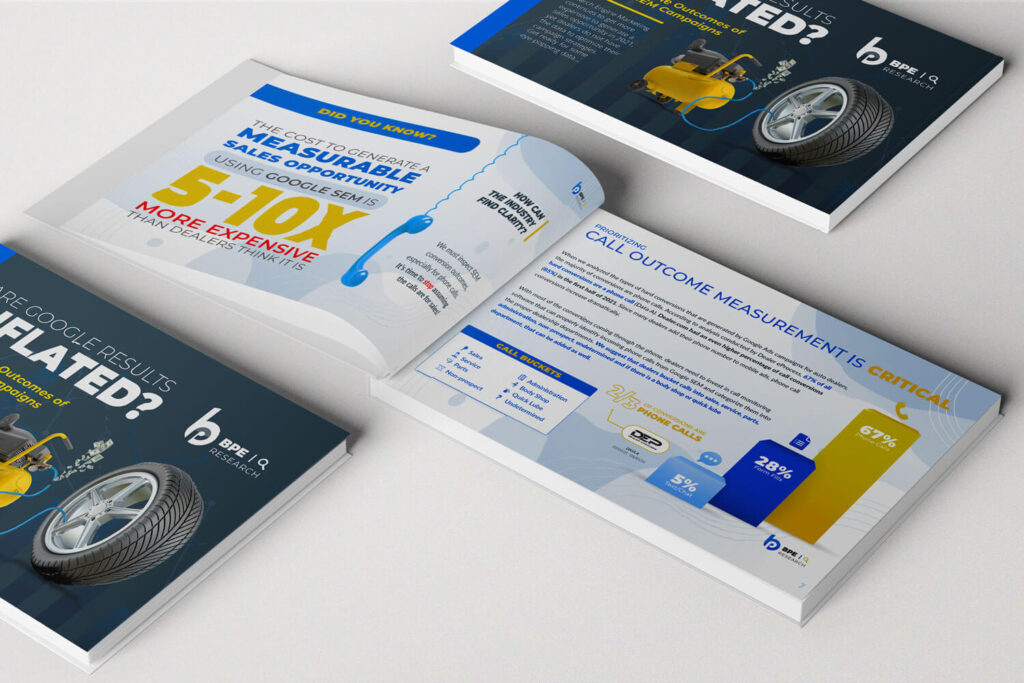
This report explores the widespread inflation of Google Ads results in the automotive industry, uncovering that a majority of conversions are misrepresented as sales opportunities. Dealers must transition from Cost Per Lead (CPL) to Cost per Sales Opportunity (CSO) to more accurately measure the effectiveness of their advertising efforts.
Over the past two decades, Google Ads have become a central part of automotive digital marketing, with most dealerships heavily investing in the platform to drive sales. However, this report uncovers a critical flaw in the way ad performance is measured and reported. Many Google-certified agencies conflate various types of conversions, such as phone calls and form submissions, without differentiating their purpose—whether they are sales, service, or administrative inquiries.
As a result, dealers are led to believe their Google Ads campaigns are more successful than they are in terms of generating sales opportunities. The report calls for a shift in the industry’s approach to ad reporting and strategy. It urges auto dealers to adopt a Cost per Sales Opportunity (CSO) framework that accurately reflects whether a conversion translates into a true sales lead. The report also highlights the importance of leveraging third-party marketplace data to enhance Google Ads effectiveness and reduce wasteful spending.
Newest Release
Join the Waitlist!
Pre-Order Today!
Report
Resource
Review
The Dirty Secrets of the OTT & Streaming Industry is an upcoming research report that examines the growing concerns surrounding OTT advertising sales, reporting, and measurement. Through direct dealer feedback and industry analysis, the report investigates the transparency gaps that continue to frustrate automotive retailers.
Newest Release
Join the Waitlist!
Pre-Order Today!
Report
Resource
Review
This investigative report reveals the surprising number of third-party scripts collecting customer data on dealer websites—often without the dealer’s knowledge. It introduces a comprehensive inspection checklist to help automotive retailers audit, optimize, and secure their digital properties.
Newest Release
Join the Waitlist!
Pre-Order Today!
Report
Resource
Review
As dealership technology stacks grow more complex, CRM platforms remain the system of record for sales, marketing, and customer engagement. This report analyzes dealer feedback across leading CRM providers, examining satisfaction, usability, reporting, support, and emerging capabilities such as AI-driven communication and automation. The findings offer a clear view into how well CRM platforms are supporting modern dealership operations—and where gaps still exist.